9 Surprising Reasons Your Laser Shop Needs a Better Fume Extractor
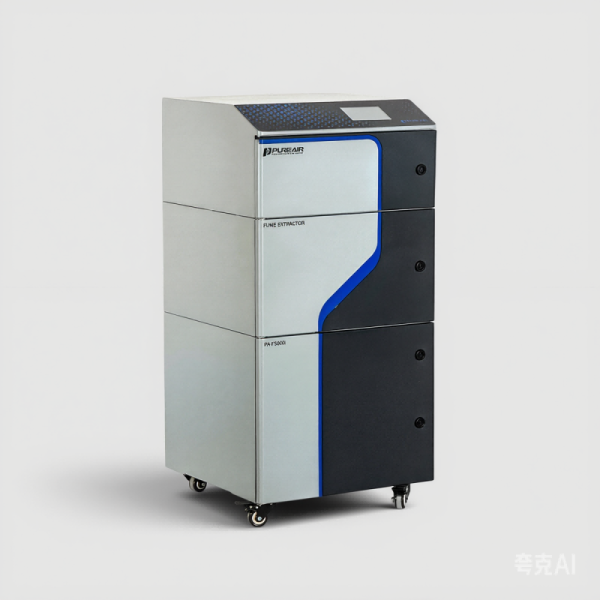
Introduction: A familiar workshop moment that matters
I was once leaning over a new acrylic prototype when a thin, sweet smell hit me — the kind that makes you pause mid-sand. In that moment I realised how casually many of us accept poor air control in busy makerspaces. A laser engraver fume extractor sits quietly by design, but it should be doing heavy lifting: measured studies show that fine particulate and VOC spikes near engraving stations can rise by 5–10 times background levels during a typical run (small spaces count more). So, what are we missing — and how does that affect the folks who actually use the machines every day? This piece walks through real pain points, technical gaps and practical fixes — and yes, I’ll be blunt where systems fall short. Read on for the next section where I dig into what usually goes wrong.
Part 2 — The deeper trouble: Why “standard” extraction often fails
best fume extractor for laser engraver is a phrase I get asked about a lot, and for good reason: many units sold as “industrial” simply miss key engineering marks. Technically speaking, insufficient airflow rate, poor sealing around intake hoses, and low-efficiency filtration (no proper HEPA stage or activated carbon bed) are the usual suspects. I’ve seen setups where fan speed is marketed loud but actual air changes per hour (ACH) at the work surface are laughably low. That gap leads to recirculation of ultrafine particles and VOCs instead of capture and removal — and that’s the problem most users underestimate.
Look, it’s simpler than you think: you need measurable capture velocity at the source, reliable particulate filtration, and carbon-stage gas adsorption for organics. In practice this means a well-matched blower, a multi-stage filter cassette (pre-filter, HEPA, activated carbon), and proper ducting that avoids backpressure spikes. I say this from hands-on trials and shop troubleshooting — and I won’t sugarcoat it: buying on brand name alone often leaves you with a noisy, underperforming unit. Short runs, frequent starts and stops, and filthy pre-filters also kill performance fast. So the hidden user pain isn’t glamorous — it’s recurring maintenance, unclear performance specs, and the slow creep of poor indoor air quality that no one notices until someone gets a headache or a cough. (Yes, really.)
What’s the single worst oversight?
Under-sizing the extractor relative to the tool and workspace. It’s a rookie move that keeps production noisy, inefficient, and risky.
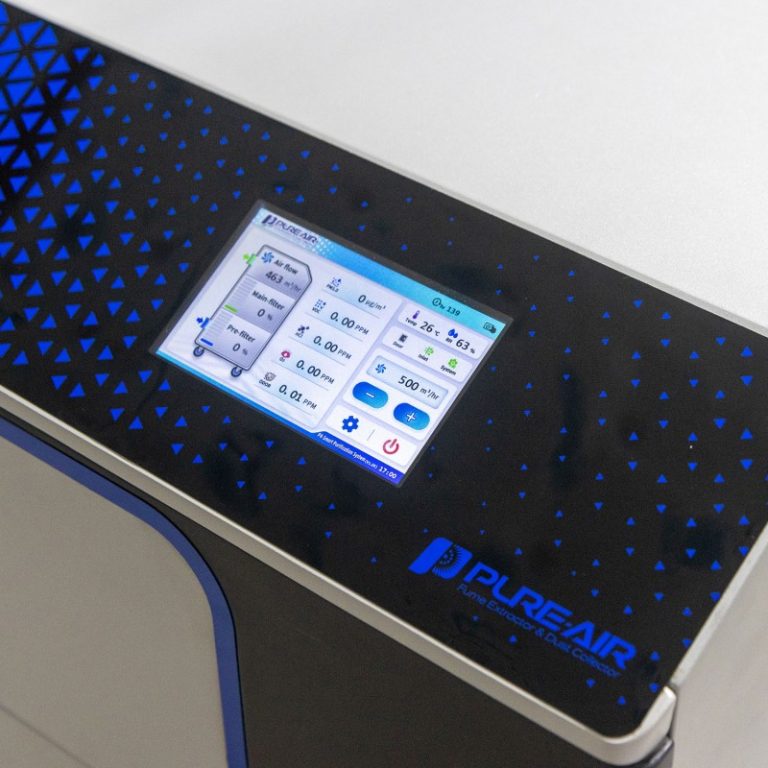 Part 3 — Looking ahead: practical tech and how to choose smarter
Moving forward I favour two complementary approaches: smarter design principles and informed buying. New technology principles include modular filter cassettes for faster swaps, real-time airflow monitoring (simple pressure sensors or anemometers), and more intelligent blower control that matches RPM to load. These ideas are practical, not fanciful — they reduce lifetime cost and raise true capture efficiency. I’d also point to combined HEPA + activated carbon systems as the baseline; add an ozone catalytic stage for materials prone to ozone creation. When I test units, I watch for consistent capture velocity at the nozzle and stable airflow under varying filter loads, because those tell you whether a unit will still work in six months — not just on day one.
Case in point: a community makerspace upgraded to a unit with matched blower, sealed ducting and a two-stage filter and saw particulate spikes drop dramatically — and attendance improved because people felt safer. That’s the real payoff. — funny how that works, right? If you’re comparing models, focus on these three evaluation metrics: real measured airflow at the source (CFM at the nozzle), filter efficiency (HEPA rating and carbon weight), and maintainability (filter cost and access). I keep coming back to those because they tell the practical story. Final note: if you want to explore solid, field-tested options, consider the choices available at PURE-AIR — they’re engineered with these principles in mind and they’ve helped shops like mine breathe easier.