Transforming Outdoor Spaces: Practical Home Gardening and Interior-Ready Garden Design
A practical guide to blending gardening with home improvement and decor, with real-world steps for a cohesive indoor-outdoor lifestyle.
Foundations of a Cohesive Outdoor-Indoor Space
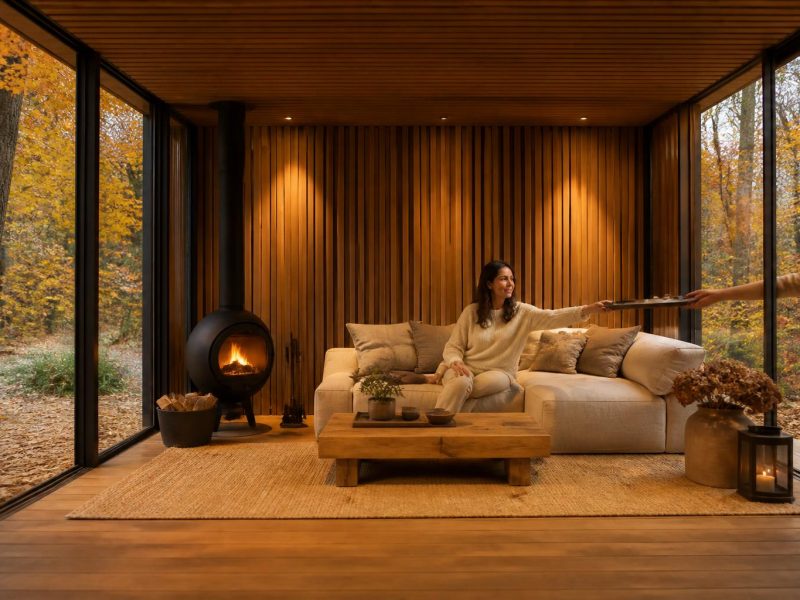
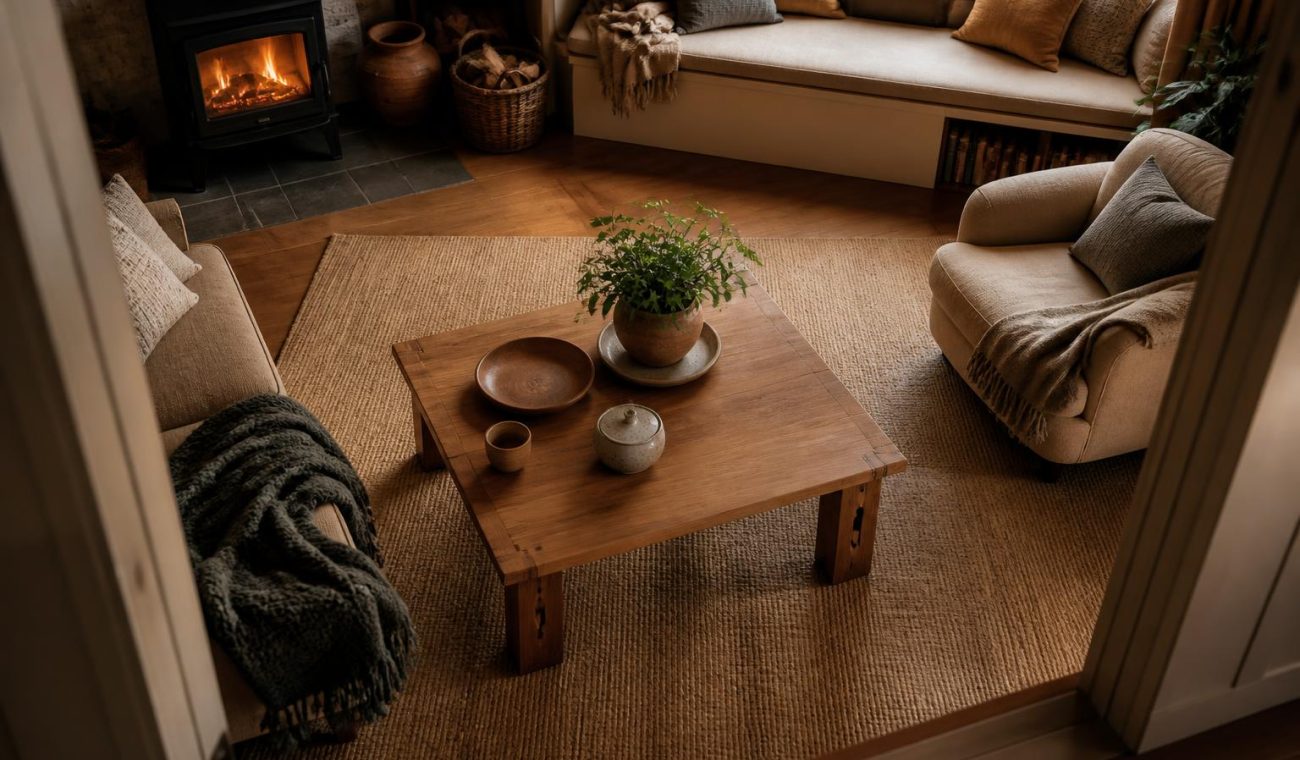
In any successful home improvement project, the garden should feel like an extension of the interior, not a separate realm. Start by surveying light, wind patterns, and soil health to inform plant selections that thrive in your climate. Consider how views from living spaces frame the outdoors, and plan paths that invite you to step outside for a moment of calm. A thoughtful approach creates instant cohesion between decor as seen inside and natural textures outside, so your garden becomes a natural backdrop for daily life, not a distant accessory. Pond Cleaning Sussex will also help keep water features pristine, reinforcing the sense that your outdoor space is a cared-for part of the home.
Begin with a layout that mirrors interior zones: a sunny seating nook, a shaded retreat, and a productive corner for herbs. Treat soil like living furniture—amending, feeding, and rotating beds to maintain structure and health. Use durable, weather-resistant materials for edging and seating that echo interior finishes, tying color palettes and textures together. This approach makes gardening feel intentional, aligned with decor instincts, and supportive of everyday comfort rather than a separate project silo.
Seasonal Gardening for Year-Round Interest
Seasonal planning keeps the garden relevant across the calendar, mirroring how interior spaces shift with seasons. Start by selecting a core palette of greens, with pops of bloom that align with your home’s exterior tones and interior accents. Implement successive crops and flowering plants that stage interest from early spring through late autumn, ensuring color and texture remain engaging. Invest in hardy perennials for structure and annuals for quick seasonal updates that refresh the view without requiring constant overhaul, enabling steady improvements over time toward a refined, lived-in look.
Incorporate smart irrigation and mulch strategies to reduce maintenance while preserving soil moisture and nutrient availability. A garden designed with seasonal rotations reduces pests and diseases by breaking the life cycles of common intruders, which means less intervention and a lower overall maintenance burden. When you pair careful plant timing with strategic decor accents—like weatherproof planters and experiential lighting—you’ll enjoy a garden that feels purposeful in every season, much like a well-curated interior.
Hardscaping as the Backbone of Decor and Function
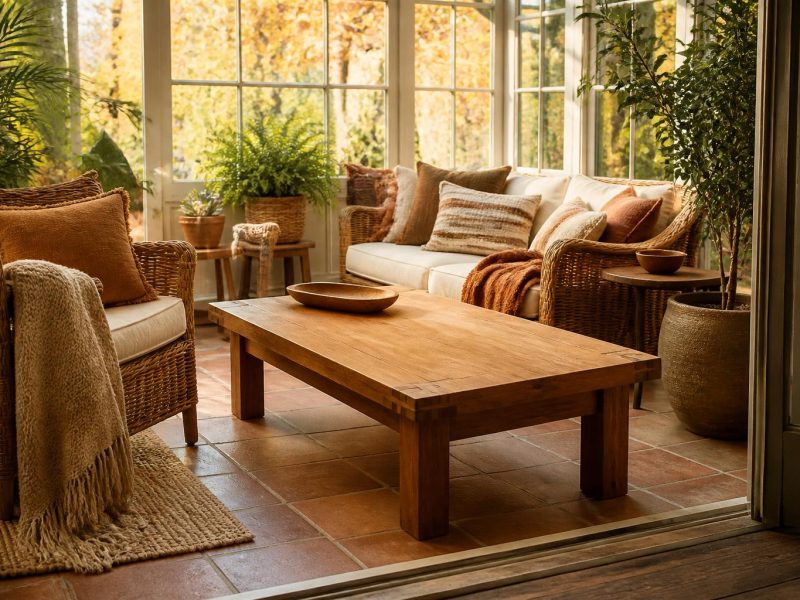
Hardscaping provides structure, durability, and a canvas for decor ideas that complement interior design. Start with clear pathways using permeable pavers or gravel that channels foot traffic in a way that echoes living room flow. Install a seating area with durable furniture, cushions in water-resistant fabrics, and a shade structure that mirrors indoor drapery patterns. A solid hardscape anchors planting beds and creates a sense of order that mirrors the calm of thoughtfully arranged interior spaces, reinforcing the home’s overall aesthetic.
Lay out retaining walls, raised beds, or a low terrace that defines zones for dining, lounging, and growing. Use natural stone or weathered timber to echo interior materials like limestone or reclaimed wood, tying the look together. Integrate built-in planters or a small water feature that acts as a visual anchor and a sensory accent, helping the garden feel like a curated, transitionary space rather than a separate yard.
Water Features and Sensory Design
Water elements bring a sense of movement and sound that can anchor both garden and interior moods. If space and budget allow, a modest pond or fountain becomes a focal point that reflects the house design and colors around it. Place the feature where it can be enjoyed from multiple vantage points—kitchen windows, living rooms, or a dining patio—so the soothing sound enhances daily living. Choose materials that harmonize with nearby planters and seating to maintain a cohesive decor language across indoors and outdoors.
Maintenance matters: select energy-efficient pumps, keep surfaces clean, and manage algae through natural methods like shading and appropriate plant choices. A well-maintained water feature becomes a reliable anchor for your garden’s seasonal changes and acts as a micro-habitat for beneficial wildlife, which in turn supports a healthier yard with less pest pressure. The result is a serene, decorative element that complements interior-inspired design while remaining easy to care for.
Lighting to Extend the Day and Define Style
Lighting is a crucial decor tool that extends usability after sunset and reinforces mood. Start with layered lighting: ambient lanterns along pathways, task lighting for outdoor kitchens or water features, and accent lights that highlight architectural or plant focal points. Select fixtures with finishes that mirror interior hardware—antique brass, matte black, or weathered nickel—to maintain a consistent style story across spaces. Thoughtful lighting transforms the garden into a welcoming exterior room, usable for meals, reading, or late-night conversations.
Program lighting for seasonal events or routines, such as gentle dawn lighting for a morning coffee corner or warm, low-intensity tones for evening relaxation. Use dimmers and timers to optimize energy use and protect nocturnal wildlife. A well-lit garden feels intentional and safe, supporting the decor narrative of a home that welcomes you outdoors as part of daily life rather than a separate appendage.
Edible and Pollinator-Friendly Planting for Practical Beauty
Edible gardens blend practicality with beauty, offering fresh herbs and vegetables while enhancing landscape texture. Plan raised beds near the kitchen for easy harvests and consider trellises for vining crops that add vertical interest. Choose a mix of ornamental and edible plants that share flowering times to support pollinators, ensuring ongoing activity and color from spring through autumn. Integrate container plantings near entrances to create inviting, edible cues that sync with interior cooking and decor routines.
Rotate crops annually to maintain soil health and reduce pest buildup, using compost from kitchen scraps to nourish beds. Add herbs and flowering companion plants like marigolds or calendula to boost biodiversity and visual appeal. The result is a hybrid of home improvement and gardening that yields both beauty and function, with herbs at the ready for meals and flowers brightening doorways and patios alike.
Maintenance Routines that Respect Your Time and Space
Effective garden maintenance mirrors interior upkeep: regular, small, consistent tasks preserve the space’s integrity. Create a simple weekly plan: quick weeding, a targeted pruning session, and a check on irrigation efficiency. Keep tools organized in a weatherproof shed or a wall rack near the entry to the garden to minimize friction and encourage adherence. A routine that feels manageable gradually elevates the space from a hobby to a well-loved extension of your home interior.
Seasonal check-ins—mulching in spring, watering adjustments in summer, and soil replenishment in autumn—prevent problems before they become costly repairs. Document plant blooms and harvest yields to refine future plant choices and decor accents. When maintenance remains predictable, the garden remains a source of pride and inspiration, aligning with the broader home improvement ethic and daily decor sensibilities.
Closing Vision: A Garden That Echoes Interior Calm
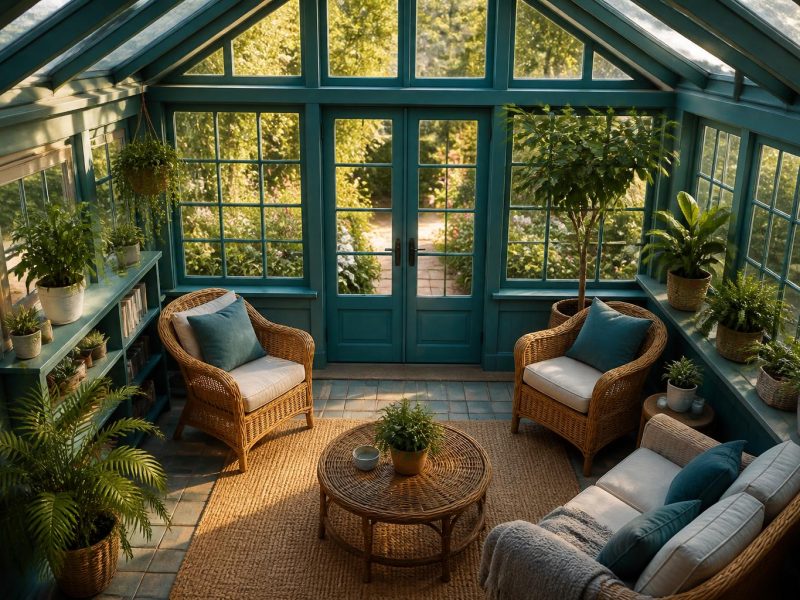
The ultimate goal is a garden that acts as a natural room you can access with ease, where decor cues, plant choices, and functional spaces align with interior aesthetics. Start with a unifying color palette, textures that echo indoor furniture, and zones that support different activities as you would in a living area. The garden should invite you to pause, reflect, and enjoy, whether you’re sipping tea on a sunny patio or tending plants along a shaded path, creating a serene harmony between home, interior, and outdoors.
As you develop this space, document your results and iterate. Notice how light changes throughout the day and adjust seating angles, plant heights, and edging to preserve sightlines and comfort. By weaving home improvement strategies with gardening and decor principles, you craft a cohesive, resilient outdoor area that remains editable and expressive as your tastes evolve, never a static afterthought but a living extension of your home.