A Practical Guide to Healthy Garden Ponds: Plants, Maintenance, and Seasonal Care
Transform your garden with a thriving pond: choosing plants, seasonal care, and practical maintenance tips for British ponds.
Opening Foundations for a Healthy Pond
Creating a resilient garden pond starts with thoughtful planning and a realistic maintenance routine. Start by choosing a location that avoids harsh afternoon sun and strong winds, then map out zones for water lilies, marginal pond plants, and submerged life. For ongoing clarity, consider a pond cleaning routine and consult local resources such as a trusted service like Pond Cleaning Sussex to understand seasonal needs. A clear framework helps prevent algal blooms and supports diverse wildlife without overwhelming your schedule.
In this initial phase, prioritize a gentle ecosystem approach over quick fixes. Select robust british pond plants that tolerate local temperatures and rainfall patterns, including water lilies and marginal pond plants, which provide structure and shade for beneficial microorganisms. Establish a simple water testing routine to monitor pH, nitrate, and phosphate levels, then adjust with natural composts and rainwater where feasible to sustain long-term balance.
Choosing Pond Plants for Structure and Color
When selecting pond plants, aim for a layered palette that covers surface interest, mid-water depth, and muddy edges. Water lilies offer striking blooms and shade, while marginal pond plants provide shelter for invertebrates along the banks. Incorporate a few hardy varieties of british pond plants to ensure resilience across seasons, then rotate species gradually to prevent stagnation and maintain a dynamic microhabitat for wildlife and small fish.
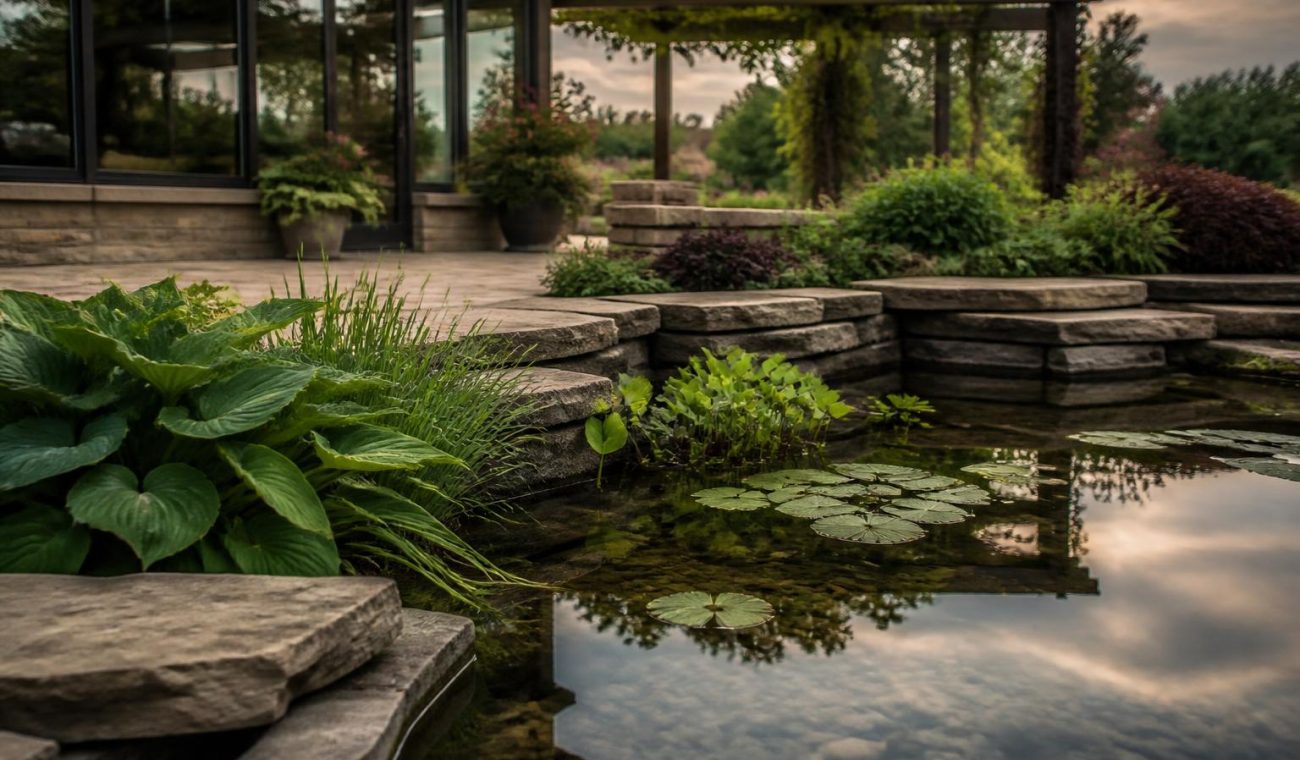
Consider background textures as well as color when planning planting zones. Use a mix of broad-leaf lilies and finer grasses to create movement in the water surface, complementing the glossy reflections of your pond. For best results, stagger plantings so each species has room to establish, which reduces crowding and improves oxygenation at deeper levels during the hottest months.
Seasonal Care: Spring Wake-Up to Autumn Slow-Down
Spring is a time of renewal: remove winter debris, check liners, and reintroduce marginal pond plants with careful spacing. Gentle trimming of water lilies keeps leaves from overcrowding the surface while encouraging new growth. Implement a light feeding regime for beneficial bacteria, and monitor water clarity as temperatures rise, adjusting filtration to maintain a stable environment for both plants and wildlife.
Autumn brings this cycle toward preparation for cooler months. Gradually reduce nutrient inputs and plant activity, allowing a natural slowdown that supports overwintering organisms. Clean visible debris without over-sterilizing the ecosystem, and cap the pond with a breathable net if leaf fall becomes heavy. A thoughtful approach in this season preserves ecological balance for the following year.
Maintenance Essentials for Clear, Healthy Water
Maintenance should be routine but not disruptive; establish a monthly rhythm of checks, water testing, and gentle pruning of overgrown vegetation. Remove excess vegetation deliberately to maintain light penetration and avoid stagnant pockets where algae can breed. A balanced mix of surface scums and submerged plants aids oxygen production, supporting a stable environment for fish and beneficial microfauna alike.
Invest in a reliable filtration setup and consider a seasonal cleaning schedule that targets detritus without harming beneficial life. Regularly inspect pumps and hoses, ensuring no mineral buildup or blockages reduces efficiency. By maintaining consistent water quality and plant health, you reduce the risk of sudden algae blooms and keep your pond inviting throughout the year.
Wildlife-Friendly Design: Habitat, Not Hurdles
A pond is a miniature habitat, so incorporate features that invite wildlife while remaining functional for you. Place shallow shelves for marginal pond plants where frogs can bask, and include emergent grasses to provide hiding spots for invertebrates. The presence of water lilies along the middle zone creates shade and shelter, encouraging a balanced food web that sustains birds, bats, and small mammals without overwhelming the space.
Keep a natural balance by avoiding chemical dependencies and choosing native or well-adapted cultivars. Emphasize driftwood, rocks, and soft edges that blend with the garden while supporting microhabitats. Design considerations should prioritize safety for curious visitors and ease of maintenance for the gardener, ensuring that wildlife thrives alongside your plants and water feature.
Troubleshooting Common Pond Challenges
Algae can appear when nutrients accumulate or sunlight is excessive; address this by reinforcing plant diversity and increasing beneficial bacteria. If water remains murky, inspect filtration flow and reduce feeding amounts temporarily to rebalance the system. A combination of shading from water lilies and marginal plant margins helps keep nutrient levels in check and maintains a visually appealing pond.
When plants struggle, assess root health, spacing, and potential disease symptoms on foliage. Sometimes a temporary reduction in watering or a gentle repotting of struggling specimens provides relief, while ensuring that the overall plant community remains robust. A measured, informed approach to troubleshooting keeps your pond resilient across weather fluctuations.
Integrating Aesthetics and Function with a Cohesive Palette
Visual harmony emerges from thoughtful plant selection and consistent upkeep. Mix water lilies with a spectrum of leaf shapes and subtle hues to create depth and movement on the water surface, while you anchor borders with robust marginal pond plants. This balance of form and function supports a visually soothing environment and a healthier aquatic system for years to come.
Lighting, seasonal textures, and careful pruning contribute to ongoing beauty. Incorporate stone paths, reed beds, and compact seating to enjoy the pond from multiple angles without disturbing sensitive margins. A cohesive palette that respects ecological needs yields a garden feature that remains captivating through every season.
Plant Selection Tips
- Choose water lilies with compact root systems to fit smaller ponds.
- Prioritize hardy british pond plants that tolerate local climates.
- Combine floating, marginal, and submerged varieties for layered structure.