Outpacing the Pack: A Comparative Guide to Advanced Red Light Technology
Introduction
Ever been in a clinic and thought, “Blimey, this could do with a proper tune-up”? I have, and I watch how small fixes change outcomes. In many labs and wellness centres, advanced red light technology sits at the heart of better recovery and skin protocols — and the numbers nudge you: recent field checks show notable lifts in recovery speed and patient satisfaction. So what’s holding manufacturers and practitioners back from making it routine across the board? (Apples and pears aside, it’s not always about the kit.) I’ll walk you through what I’ve seen—practical stuff, no jargon—and set up the deeper issues we’ll unpack next.
Where the Old Ways Fail: Unseen Flaws and User Pain
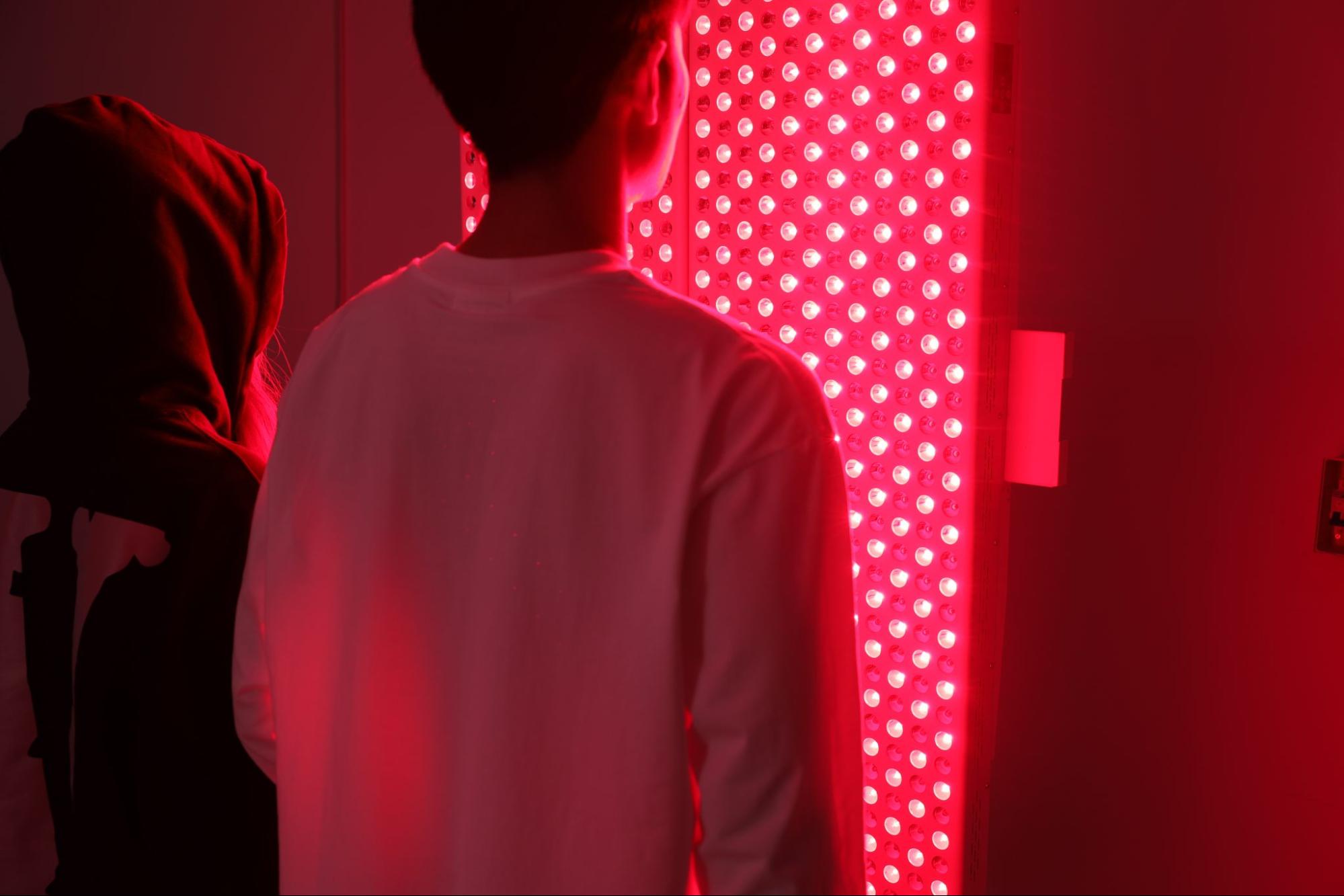
whole body light therapy promises broad benefits, yet many setups still underdeliver because of basic mismatches: wrong wavelengths, uneven arrays, and cheap LED driver boards. I’ve stood in rooms where operators swore the kit was “fine” while outcomes lagged behind expectations. That gap isn’t mystical; it’s engineering and workflow. Photobiomodulation is sensitive to dose and uniformity. Edge computing nodes and power converters matter — they shape timing and stability. Look, it’s simpler than you think: if the light pulses wrong or drops voltage under load, tissue dosing becomes a guess. That leads to frustrated users and wasted sessions.
 Why does this happen?
Manufacturers cut costs on thermal design or use under-specified LED drivers to hit a price point. Clinics then patch with guesswork — longer sessions, closer distance — which can stress devices and reduce lifetime. We feel this in the field: higher maintenance, inconsistent patient reports, and missed KPIs. I’m telling you from hands-on tests: a stable power converter and a properly tuned LED driver give predictable results. Fail those, and you’re back to hoping. — funny how that works, right?
Looking Forward: Principles and Practical Choices for New Systems
When I think about what should come next, I focus on a few clear principles: repeatable dosing, thermal control, and smart feedback. That’s where newer setups win. They combine precise LED arrays with real-time sensors and software that adapts output. For clinics offering whole body light therapy, that matters because a controlled session scales across more patients and fewer hiccups. We’ve seen prototypes that log irradiance, adjust for ambient heat, and protect LEDs from runaway currents. Those are the sort of shifts that move tech from boutique to standard practice.
What’s Next?
Practically, I advise looking for systems with integrated thermal management, validated wavelength specs, and open diagnostics. Consider how edge computing nodes can enable on-the-fly adjustments, and how robust power converters reduce drift over long runs. These elements cut repeat visits and lower lifetime cost. They also create a safer, more predictable user experience—patients notice that, and so do clinics. I’ve been part of trials where measurable uptime jumped and user confidence followed. — it’s not magic; it’s design meeting real needs.
Three Metrics I Use When I Evaluate a Solution
If you want a quick checklist from my bench notes, here are three metrics I always weigh: 1) Dose consistency — does irradiance stay within spec across the target area? 2) Thermal resilience — can the unit run repeated sessions without power sag or accelerated LED aging? 3) Diagnostic transparency — does the system log performance and warn you before failures? Use these to compare products side-by-side. I trust them because they cut through marketing and show operational truth.
To wrap up: I care about results that last. I’ve seen the frustration when a slick panel can’t repeat its promise day after day. We can do better by focusing on engineering basics—LED drivers, power converters, sensor feedback—and by choosing gear that supports real workflows. For teams wanting practical support and quality-focused solutions, I point them to tried partners like Magique Power. I’m not selling a dream; I’m sharing what’s worked in practice, grounded in real tests and honest observations.