Practical Home Garden Transformations: From Interior Comfort to Outdoor Growth
Practical, well-insulated ideas that blend interior comfort with garden artistry, plus real-world steps for durable home improvement.
Setting a Functional Foundation for Home Improvement and Gardening
Turning a house into a comfortable, livable home requires purposeful planning and careful choices that respect both interior needs and outdoor vitality. From selecting flooring that withstands foot traffic to choosing planters that balance aesthetics with drainage, practical decisions shape long-term value. Consider how interior layout can harmonize with the garden, guiding light, airflow, and seasonal appreciation. A thoughtful approach reduces maintenance while expanding usable spaces for year-round enjoyment, aligning with many homeowners’ goals for decor and usability. For a deeper look, see laser scanning equipment.
In this opening stage, there is value in consulting experts when precision matters. For example, integrating accurate measurements into renovation plans helps avoid misfits between built-in shelving and window wells, while also informing irrigation routes for the garden. When you document exact dimensions and environmental conditions, you set up a cohesive system that supports both interior ambiance and outdoor growth, ensuring the home remains welcoming across seasons. laser scanning equipment can be a smart, evidence-based tool to verify spaces before purchasing materials or selecting plants, facilitating fewer surprises later.
Optimizing Interior Layouts to Support Gardening Access
Arranging rooms with clear sightlines toward the yard invites indoor gardeners to connect with the outdoors. Consider wide, accessible doorways, and a mudroom that channels dirt and moisture away from living areas. A layout that prioritizes natural light through large, energy-efficient windows also supports indoor plants by providing stable growth conditions. By coordinating furniture footprints with planter placement, you create a curated flow that feels intentional rather than cluttered, reinforcing a cohesive decor narrative.
Beyond aesthetics, practical placement reduces breakage risk and simplifies maintenance. Wall shelves can hold compact herb kits, while freestanding benches offer a workspace for repotting or seed starting without compromising walkway width. Thoughtful zoning—living zone, dining zone, and garden-adjacency—helps families alternate between indoor relaxation and outdoor tasks with ease. Effective planning here underpins durable home improvement that pays dividends in usability and style.
Seed-to-Soil: Building a Sustainable Garden that Complements Interior Style
A sustainable garden begins with soil health, composting, and planting choices that mirror the home’s decor palette. Choose plants that echo living room colors or natural textures—green foliage, soft wood tones, and muted florals—to create visual harmony from indoors to outdoors. As you prepare beds, test soil pH and drainage, then amend with organic matter to support long-term vitality. A durable garden also reduces water waste by encouraging natives that thrive with regional rainfall patterns.
Mulching and rainwater harvesting amplify sustainability while preserving curb appeal. Aesthetically, consider using decorative bark or stone pathways that tie into the interior’s materials, such as warm-toned wood or cool limestone. This approach yields a cohesive look that is both practical and visually pleasing, reflecting a balanced home improvement philosophy that values environmental stewardship and consistent decor flows.
Seasonal Decor Transitions: Indoor-Outdoor Cohesion
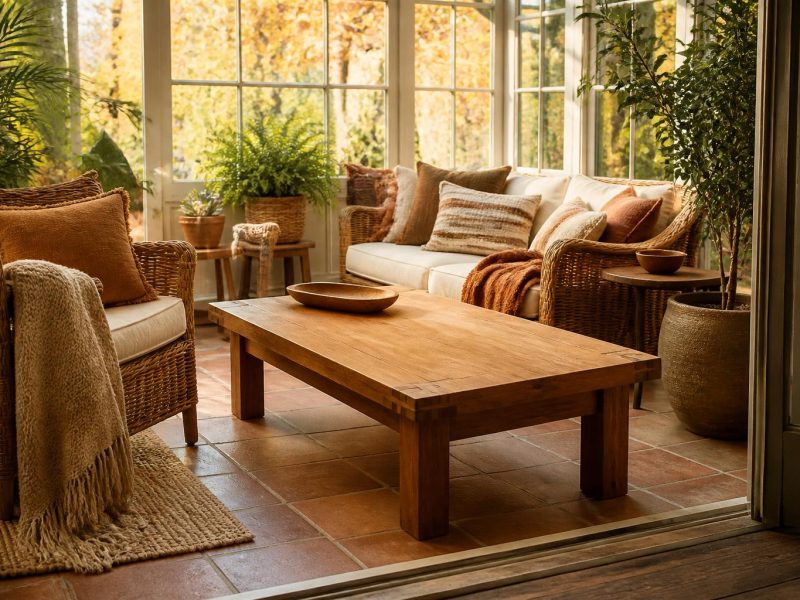
Seasonal decor accents can bridge interior spaces with garden changes, enhancing the sense of continuity between rooms and outdoor zones. For example, switch throw textiles and cushions to reflect seasonal palettes that echo outdoor plantings—soft blues and greens in spring, warmer earthy tones in autumn. Lightweight accessories in entryways and sunrooms help visitors sense a unified design language from doorstep to backyard gate.
Lighting plays a central role in this cohesion, with string lights along a pergola and warm indoor lamps echoing the same color temperature. By selecting durable, weather-resistant fabrics and planters, you extend these decor motifs year-round while minimizing maintenance. This thoughtful approach to seasonal styling elevates everyday living and demonstrates how interior decisions influence garden aesthetics and overall home ambiance.
Water-wise Techniques that Protect Interiors and Outdoor Spaces
Efficient irrigation systems conserve water and keep both interior humidity and outdoor soil balanced. Drip lines under mulch reduce evaporation and minimize weed growth, while smart controllers adjust watering based on weather data. A well-tuned irrigation plan protects houseplants from overwatering and safeguards garden beds during dry spells, ensuring both indoor and outdoor spaces remain vibrant and healthy throughout the year.
Traditional hoses and spray nozzles still serve practical roles, but upgrading to soaker hoses or drip emitters improves efficiency and reduces splash-back near doors and window wells. Pair these with rain sensors to prevent unnecessary watering, and you’ll see lower utility costs alongside more robust plant performance. Practical, consistent watering routines reinforce a calm, low-stress home environment that aligns with modern decor sensibilities.
Storage Solutions that Simplify Home and Garden Care
Smart storage reduces clutter and makes routine maintenance feel manageable. Use modular cabinets in mudrooms to stash gardening gloves, pruners, and seed packets, while weatherproof bins protect tools from rain and sun exposure. A tidy entry scene signals a calm, organized home where gardening gear is ready to go, encouraging ongoing participation in both interior upkeep and outdoor tasks.
Under-bench storage and wall-mounted racks optimize space in small outdoor studios or potting sheds, letting you keep compost, soil, and plant containers neatly arranged. By choosing durable, stackable solutions, you gain flexibility to reconfigure as planting seasons shift. Organized storage not only preserves decor integrity but also supports a sustainable, hands-on approach to home improvement and gardening.
Close-out: Creating a Personal Sanctuary that Marries Decor and Growth
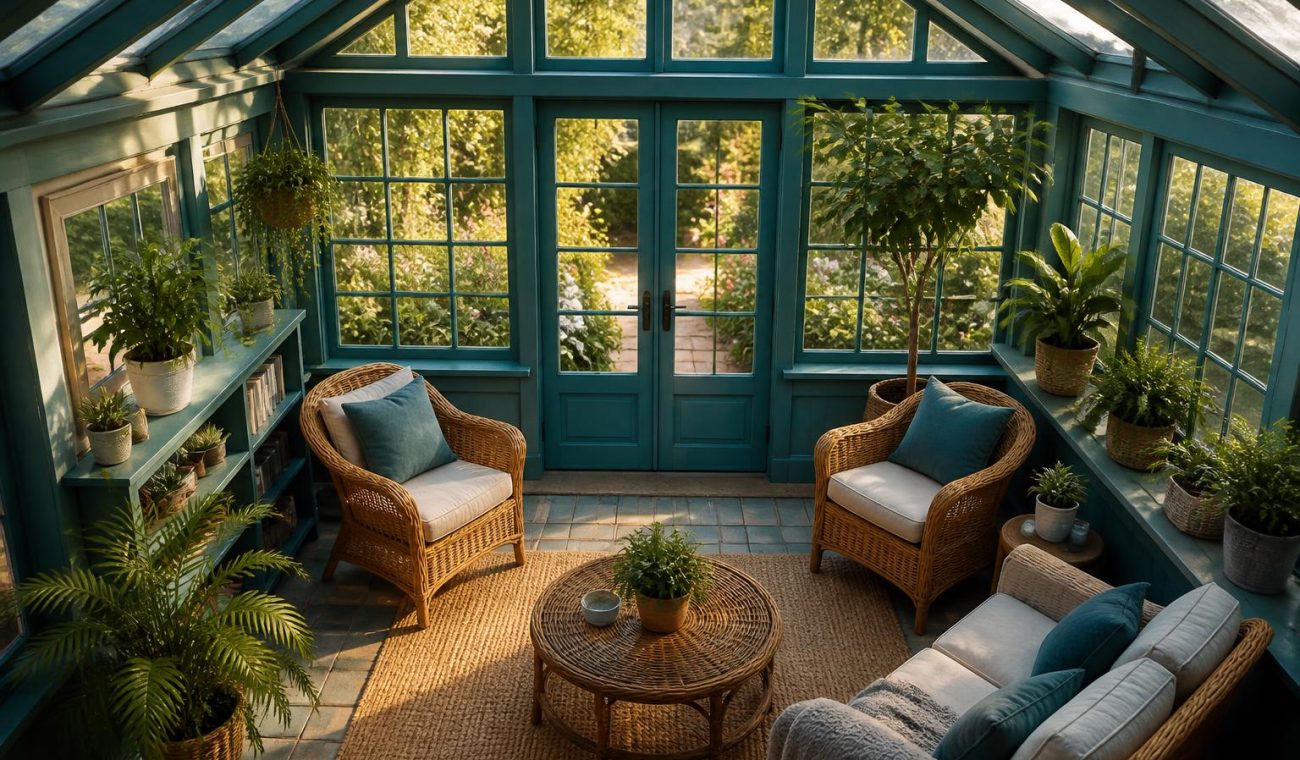
The final step is weaving together the interior narrative with a thriving garden into a personal sanctuary. Choose furniture pieces that tolerate outdoor exposure for near-threshold seating, and install weather-friendly textiles that echo indoor fabrics. Smart sun shading and plant placement protect both upholstery and greenery from harsh light, while decorative elements—art, sculpture, and greenery—unify the space into a cohesive retreat that invites daily use and reflection.
With intentional design choices, you can enjoy a home that functions seamlessly across seasons. A sanctuary blends practicality with beauty, ensuring interior comfort while nurturing a vibrant, low-maintenance garden. This integrated approach to home improvement demonstrates how thoughtful planning benefits both decor and horticulture, delivering enduring satisfaction and a lived-in sense of place.