Camping Tent Bundle Breakdown for Hikers Who Don’t Fuss
Cut the nonsense: what's the real problem
Most folks buy a "bundle" expecting one kit to do everything — then get stuck with gear that’s heavy, hard to pitch, and useless in bad weather. You want something that packs small, sets up fast, and keeps you dry without drama. If you’re tempted by roomy setups that look like living rooms, check how they pack and pitch first; a glam camping tent can look great in photos but still be a pain on the trail if it’s bulky or fiddly.
Main headaches you'll face on real trips
Weight and bulk ruin more hikes than bad weather. Setup time eats daylight. Poor stakes and zippers fail when you need them most. Big tents with vertical walls give comfort but cost kilos. Small ones save your back but make you feel boxed in. You need to match the tent style to the trip — not vice versa.
What to fix first — practical rules that don't change
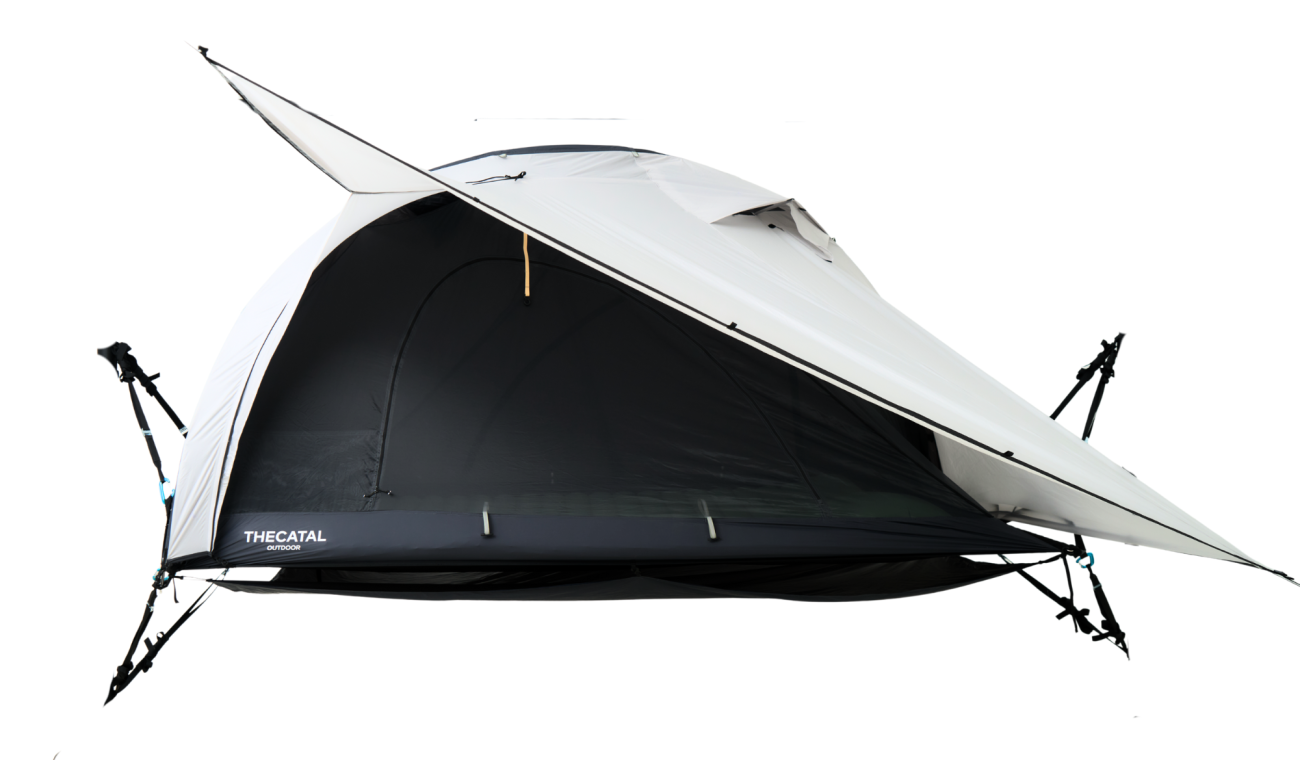
Start with shelter footprint and setup method. If you can pitch it in the dark, you’ll survive a wet night. Check seam sealing and guyline attachment points. Look for reinforced stake loops and a simple pole layout. Materials matter: thick floor fabric and a decent rainfly beat fancy colors when it’s raining. Trust gear that keeps the basics simple.
 Real-world anchor: how these things hold up where it counts
After guiding weekend groups near the Appalachian Trail and swapping gear with other leaders, the tents that lasted weren’t always the priciest — they were the ones with solid corners, replaceable parts, and easy repairs. I once set a camping cabin tent beside a trail shelter for a group overnight when a storm rolled in, and the way it shed wind and kept everyone dry made the difference between a miserable night and a story we laughed about later.
Common mistakes that turn a good tent into a bad trip
Buying by looks, skipping seam tape, underestimating stakes, and ignoring instructions. Not testing the tent at home wastes time and leaves you fixing things in the dark. People forget to match tent size to sleeping gear — a "four-person" tent becomes a one-person fortress once you add pads and packs. Fix these and you lose half the headaches.
Quick comparison: what to consider when choosing a bundle
If you want touring basics: prioritize weight and quick pitch. For basecamp: choose space and durability. For mixed-use: look for modular setups with removable rainfly or inner tents. Alternatives worth considering include compact dome-style backpacking tents for long miles, freestanding cabin tents for comfort at car camps, and hybrid designs for weekend trips. Brands like Big Agnes, MSR, and REI Co-op make solid backpacking options; cabin-style models come from a wider range, so inspect construction, not just branding.
How to avoid buyer’s remorse on the trail
Test setup at home, sleep in the tent in your yard, check zippers and seams, and carry basic repair kit items: extra guylines, duct tape, and a zipper pull. Swap stakes for lighter, stronger models if weight matters. Don’t assume a bundle includes the right stakes or footprint — those extras matter and they’re cheap insurance.
Where this all lands — straightforward value
You don’t need theater props to camp smart. Match shelter style to your trip, fix the common mistakes, and pick gear built around easy repairs and proven features. That’s what keeps nights comfortable and trips on track, and why people who spend time testing gear keep coming back to practical, well-made kits from places they trust like THECATAL.